By Analyst Team · Updated 2026-08-19 · 12 min read
Searching for audifort reviews usually means you want one thing: a clear, honest answer about whether this hearing support formula actually helps. This guide answers that first. Audifort is a dietary supplement marketed for inner ear and auditory nerve support—not a hearing aid device. Below, we break down what it is, how it works, real-world pros and cons, 2026 pricing, and where to buy it without falling for overpriced third-party listings.

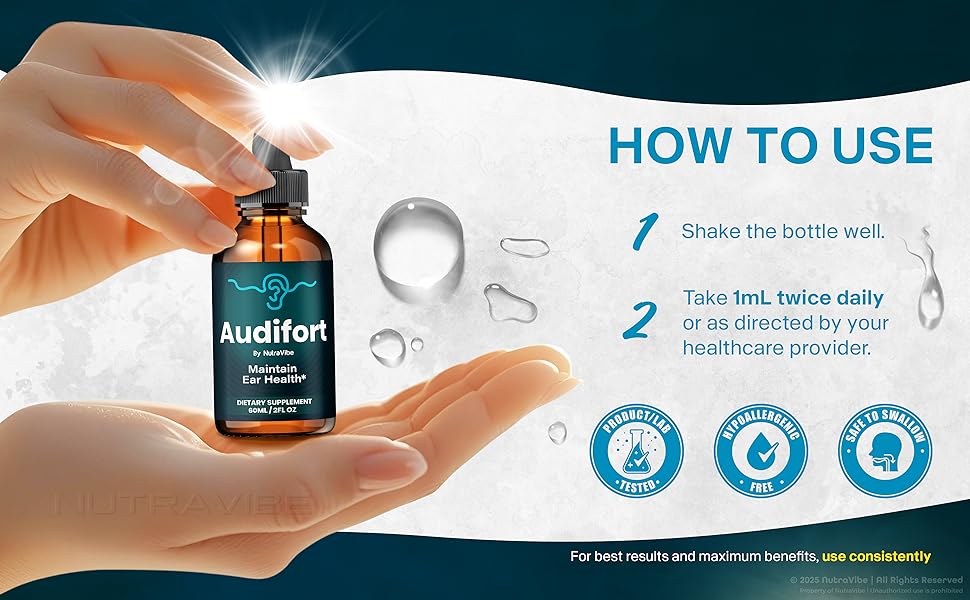
The product shown above is a typical Audifort hearing support supplement bottle. It is not a prescription hearing aid or an over-the-counter amplifier. Instead, the capsules are designed to be taken daily with water. That distinction matters because many searches for “audifort hearing aid” assume it is a device you wear in the ear. It is not—it is an oral supplement.
Check Current Audifort Reviews & 2026 Pricing →
LIMITED TIME AVAILABILITY
Unlock Full audifort reviews Access
Secure special promotional rates instantly before the window closes. Lock in your pricing model today before plans return to standard regional metrics.
What Is Audifort? A Clear Definition
Audifort is an oral supplement marketed to support hearing health, auditory nerve function, and inner ear circulation. It is sold online primarily through official landing pages and comes in capsule form. The formula typically blends vitamins, minerals, antioxidants, and herbal extracts that are widely used in hearing support supplements. Common ingredient categories include magnesium, zinc, folate, ginkgo biloba, vinpocetine, and N-acetylcysteine. Exact labels vary by production batch, so you should always read the supplement facts panel on the bottle you receive.
It is not a hearing aid. If you have moderate to severe hearing loss, a hearing aid or cochlear implant is a medical device that must be fit by a professional. Audifort does not amplify sound. Instead, it is positioned as a nutritional adjunct for people with mild age-related hearing concerns, occasional ringing, or those who want to be proactive about ear health.
Related entities include tinnitus support formulas, auditory health supplements, and inner-ear circulation boosters. In reviews, people often compare it to Quietum Plus, Synapse XT, and Cortexi, although the ingredient profiles differ.
Why the Search Term “Audifort Hearing Aid” Creates Confusion
Many users type “audifort hearing aid” because they are looking for an over-the-counter solution for hearing loss. Audifort is not categorized as a hearing aid by regulators. It is a supplement. That is an important point for consumers. If you need actual amplification, an OTC hearing aid like the Jabra Enhance or Lexie Lumen may be more appropriate. Audifort may complement those devices by targeting nutritional support, but it cannot replace them.
How Audifort Works Step by Step
Related Reading: IP-TV Provider: 5 Common Myths That Hurt Streaming Results
The manufacturer describes a multi-step process. This is the proposed mechanism, not a guarantee of results.
Step 1: Ingestion and absorption. You take one or two capsules daily with food. The capsule dissolves in the digestive tract.
Step 2: Nutrient circulation. Active compounds enter the bloodstream and are transported to the cochlea and auditory nerve.
Step 3: Antioxidant support. Ingredients such as NAC or vitamin C may reduce oxidative stress in the inner ear, which is linked to age-related hearing decline and noise-induced damage.
Step 4: Blood flow improvement. Herbal extracts like ginkgo biloba may support microcirculation to the hair cells of the cochlea.
Step 5: Reduced inflammation. Chronic inflammation can impair nerve signaling. Compounds with anti-inflammatory properties may help maintain a healthier auditory environment.
Step 6: Ongoing maintenance. The formula is intended for daily use over 60–90 days to allow nutrients to accumulate.
Important caveat: These steps are based on the manufacturer’s explanation and general supplement research, not large-scale randomized controlled trials on Audifort itself. Some users report noticeable improvement in clarity and less ringing; others notice little change.
Concrete Benefits Users Report
- Less intrusive tinnitus: Some reviews mention a reduction in the perceived loudness of ringing or buzzing.
- Clearer sound perception: A subset of users says conversations in noisy rooms feel slightly easier to follow.
- Better ear comfort: Reduced feeling of fullness or pressure in the ears.
- Improved focus and calm: Because constant ringing is distracting, a reduction may improve concentration and sleep.
- No fitting appointments: Unlike hearing aids, there is no audiologist visit or device adjustment.
- Convenience: A simple daily capsule fits easily into a routine.
Remember, these benefits are self-reported. The FDA does not evaluate supplements for treating hearing loss. Results vary based on age, underlying cause, and consistency.
Honest Limitations and Potential Drawbacks
Related Reading: Free Instagram Followers: Buyer's Checklist Before You Choose
- Not a hearing aid: It will not amplify sound or restore hearing that has been lost.
- Limited independent clinical trials: Most evidence for ingredients is indirect or based on small studies.
- Delayed results: You may need 8–12 weeks before noticing anything.
- Not for severe hearing loss: Sensorineural hearing loss typically requires devices or medical treatment.
- Possible interactions: Blood thinners, blood pressure medications, and diabetes drugs can interact with herbal ingredients.
- Quality varies by seller: Third-party listings may sell expired or counterfeit bottles.
- Cost adds up: A monthly supply may be $50–$80, which is not covered by insurance.
- No universal guarantee: Refund policies differ and often require unopened bottles.
Audifort vs Other Hearing Aids and Alternatives
Audifort is often compared to hearing aids, but the comparison is not apples-to-apples. A hearing aid is a device; Audifort is a supplement. The table below clarifies key differences.
| Option | Type | Typical Price | Best For | Key Limitation |
|---|---|---|---|---|
| Audifort | Oral hearing support supplement | $50–$80 per month | Mild age-related concerns, occasional ringing | No sound amplification; limited independent trials |
| OTC hearing aids | Electronic device for mild-to-moderate hearing loss | $200–$800 per pair | Mild-to-moderate hearing loss, no prescription | Requires battery/charging and fitting |
| Prescription hearing aids | Medical device programmed by audiologist | $1,000–$4,000 per ear | Moderate-to-severe loss, complex needs | High upfront cost; professional visits |
| Other hearing supplements | Capsules/tablets with overlapping ingredients | $30–$90 per month | General auditory wellness | Ingredient quality varies widely |
Pros and Cons of Audifort at a Glance
Related Reading: How to Claim Match Master Free Booster: Quick-Start
Pros
- Non-invasive daily capsule
- No audiologist fitting required
- Lower upfront cost than devices
- May support inner ear circulation
- Can be used alongside hearing protection
- Convenient for travel and daily routine
Cons
- Not a hearing aid or amplifier
- Limited independent clinical evidence
- Results take 60–90 days or longer
- May interact with certain medications
- Quality varies by third-party seller
- Not covered by insurance
Who Is Audifort For? User Profiles
Audifort may be a reasonable consideration for:
- Older adults with mild age-related hearing decline who want a nutritional add-on.
- People bothered by occasional ringing or fullness in the ears, but without an active infection.
- Those already using hearing protection or amplification and looking for adjunct support.
- Health-conscious individuals who want to support circulation and antioxidant defenses.
Audifort is not appropriate for:
- People with moderate-to-severe hearing loss who need actual amplification.
- Anyone with sudden hearing loss, ear pain, drainage, or dizziness—see a doctor immediately.
- Pregnant or nursing women, children, and anyone with a known allergy to ingredients.
- Individuals on blood thinners unless approved by a physician.
Regarding “best Audifort hearing aid model”: Audifort generally has one main supplement formula rather than multiple device models. If you see sellers offering “Audifort Pro” or “Audifort 2.0,” verify the label carefully; these may be unrelated or rebranded products.
How to Get Started with Audifort: Practical Steps
- Speak with a healthcare provider first. This is especially important if you take prescription medication or have a chronic condition.
- Verify the source. Buy directly from the official Audifort website or a trusted retailer with clear contact details. Avoid random eBay or social media listings.
- Read the supplement facts panel. Check the dose, allergens, and ingredient list for anything you don’t recognize.
- Start with one bottle. Don’t stockpile. A 30–60 day supply is enough to test tolerance.
- Follow the suggested use. Most hearing supplements recommend one or two capsules daily with a meal. Do not exceed the label dose.
- Track your symptoms. Keep a simple journal: rate ringing loudness, speech clarity, and ear comfort weekly.
- Reassess after 60–90 days. If you see no benefit, the supplement may not be right for your situation.
- Combine with hearing protection. Avoid loud noise, use earplugs at concerts, and get regular hearing checkups.
As shown in the image below, the Audifort label includes a supplement facts panel with the ingredient amounts and suggested daily dose. Always check that panel before starting, because formulations can change between production batches and regional versions.
Reddit discussions about audifort hearing aid reviews reddit are mixed. Some users in r/tinnitus or r/HearingLoss ask about Audifort and share experiences. A common theme: it is not a scam, but it is not a miracle. People who expect hearing aid-level changes are disappointed. Those who treat it as a mild support supplement sometimes report modest improvements over 60–90 days.
Unlock complete high-definition information and priority access packs.
Claim This Special Offer for audifort reviews →The image below shows the Audifort capsules and bottle often shipped with multi-bottle orders. Multi-bottle packaging can reduce the price per unit, but it is still wise to start with a single bottle to assess your tolerance before committing to a larger order.

Final Subscription Window:
Main Offer Today →Affiliate Disclosure: Clicking this secure link verified by our network supports our team through standard partnership terms at zero extra cost to your invoice.
Frequently Asked Questions
1. Is Audifort hearing aid legit or a scam?
Audifort appears legitimate as a dietary supplement brand, but it is not a hearing aid device. Independent reviews are mixed, and the product lacks large-scale clinical trials. It is sold through official channels with a return policy, but you should verify the seller and avoid extremely cheap offers that may be counterfeit.
2. What do Audifort hearing aid reviews on Reddit say?
Reddit threads show mixed experiences. Some users report slightly less ringing or a feeling of clearer hearing after several weeks. Others say they noticed no change and call it overpriced. The general consensus is that it is not a scam but may not live up to aggressive marketing. It is best viewed as a nutritional supplement, not a treatment for hearing loss.
3. How do I use Audifort hearing support formula?
Take the suggested dose on the label, usually one or two capsules daily with a meal and a full glass of water. Do not exceed the recommended amount. Consistency is important; most supplement users are advised to take it for at least 60 days. If you miss a dose, simply take the next dose as scheduled rather than doubling up.
4. Where can I buy Audifort hearing aid at the best price?
The safest place is the official Audifort website, where multi-bottle packages often reduce the per-unit cost. Some trusted marketplaces also carry it, but check the seller rating and return policy. Avoid social media ads that redirect to unknown checkout pages. The current 2026 price typically ranges from $50 to $80 per bottle depending on the bundle.
5. How does Audifort compare to other hearing aids and supplements?
Audifort is not a hearing aid; it is a supplement intended for inner ear support. OTC hearing aids amplify sound and cost $200–$800, while prescription devices cost much more. Compared with other supplements, Audifort uses a blend of vitamins, minerals, and herbal extracts common to the category. The main difference is brand transparency, ingredient doses, and price.
6. What is the best Audifort hearing aid model for seniors?
Audifort does not have multiple hearing aid models. It is a single oral supplement formula marketed to older adults with mild age-related hearing concerns. Seniors with a diagnosis of hearing loss should see an audiologist for a proper device fitting. If a senior still wants to try Audifort, they should first clear it with their doctor, especially if they take blood pressure or diabetes medication.
7. Are there any side effects or limitations with Audifort?
Most users tolerate the supplement well, but mild digestive upset, headache, or allergic reactions are possible. Herbal ingredients like ginkgo biloba may interact with blood thinners and increase bleeding risk. The main limitation is that Audifort will not restore lost hearing or replace a hearing aid. It also requires consistent use for several weeks before any effect is noticeable.
8. What is the current Audifort hearing aid price in 2026?
The price varies by bundle and promotion. As of 2026, single-bottle orders typically fall between $50 and $80, while three- or six-bottle packs lower the cost per bottle. Shipping and any money-back guarantee terms also vary. Always confirm the final price at checkout before paying.
Final Verdict on Audifort Reviews
Audifort is neither a miracle cure nor an obvious scam. It is a dietary supplement with a plausible ingredient profile that may offer modest support for mild auditory concerns. The reviews are mixed, the evidence is limited, and it cannot replace a hearing aid. If you have mild symptoms and want a non-invasive option to support ear health, it may be worth a cautious try after talking to a doctor. For significant hearing loss, prioritize professional evaluation.
For those who decide to move forward, buying from the official source and starting with a single bottle is the most sensible approach. That way you can monitor your response without overcommitting.